Thứ Ba, 3 tháng 4, 2012

Penang..... Malaysia with Chinese and Indian characteristics

It's public holiday time for Tomb Sweeping Festival (Qing Ming). You can see from the Apr 5th 2010 blog what local people do in the parks at this time. I decided to stay in and avoid the crowds. I have tidied up my Malaysia and Sri Lanka photos, and post some here for you.

Penang is about a 5 hr drive from KL, and is the most populated state of Malaysia. Penang Island has over 700,000 inhabitants, almost a half Chinese and 10% Indian.
I went there with a local friend recently, and he showed us round this highly developed and thriving tourist city. Yet it still retains it's colonial charm which enabled it to be declared a UNESCO World Heritage site in 2008. 
The old town Georgetown is being bought up by savvy investors and renovated into boutique hotels, cafes and restaurants.
This colonial building from British imperial days is now a hotel. The British were here since the 1780s in one way or another, with independence granted in 1957.
The obvious Chinese influence is not surprising since trade between Penang and China had already started in Admiral Zheng He's time in the 15th century.

The British profited from their rule but also some Chinese immigrants were very successful too. This 'blue house' was built by such a person, Cheung Fatt Tze, who arrived penniless from Guangzhou in 1856 at the age of 16. He was called " One of China's last Mandarins and 1st Capitalist". The mansion contains gothic louvred windows, Chinese porcelain, Stoke-on-Trent (UK) floor tiles, Scottish cast iron and Art Nouveau stained glass. Again quite different from the grand family mansions in Pingyao, China.


Whilst his great entrepreneurial skills did not last many generations, his name survives under the Changyu label, one of the first grape wines to be made in China.

The locals Malays are Muslims, but the Chinese also built their own temples, which are quite different from the ones we have in Beijing - much more colourful and more elaborate decorations on the walls and roof.
You can see how multi-cultural Penang is just from the road signs and shop signs. How many languages can you see in this sign?

You might think you were in India in this part of town.........
........hence the name!
The weather is very hot all year round so it's always time for a drink...this one made from freshly squeezed cane sugar.

We came across another great courtyard house built by a rich Baba more than a century ago. It is one of the most beautiful Chinese mansions I have ever seen! The family must have been very rich!


They also liked some Western things, such as the Scottish ironworks, long European style teak dining table and the stained glass windows, quite a novelty at that time.

A kind of East-West fusion, quite different from those I've seen in churches in Europe!

I wouldn't mind living here!
Pity there are not my ancestors!

Here is the traditional ancestral family worshipping hall, where the names of ancestors were put on plaques like an altar.

Penang is famous for its food and snacks. Here is freshly made soft bean curd.
..........Buffet Chinese style!
Our friend also took us to a local restaurant famous for its chicken rice.

And I couldn't go home without doing some shopping, this time some local pastries.

Thứ Năm, 29 tháng 3, 2012

Visiting the Countryside in China

Probably one of the most interesting times I have had in China have been visiting with the locals in remote areas. I call those areas the Real China.
Rural life in China is very quiet, restful and at the same time a great learning experience not only of Life in China but the people of China. With over 57 different nationalities, each has their own language, customs and dress. Outside of LiJiang in the Naxi and Yi villages one can see not only how they live but their way of making a living from day to day. It is common to ask to visit a home or chat with the locals at a local cafe at lunch time or just over a cup of tea. Having a good local guide like Ms. Li that I have used in LiJiang and who is a Naxi lady, makes it much easier to converse and to experience the culture of the local people. When taking a tour to China be sure to spend at least one day at leisure relaxing in the countryside. Each trip I plan for myself, I spend at least 3 days with the local people in whatever area I am working.

Thứ Ba, 13 tháng 3, 2012

On holiday in Malaysia - Kuala Lumpur

I was busy traveling in February to Malaysia and Sri Lanka, and then a few days south for my HIV/AIDS charity work. I had a few days in Kuala Lumpur, which is where the pictures below were taken. I was so happy to get away from the cold, and enjoy lots of spicy food and colourful sights of such varied cultural backgrounds - Malay, Indian and Chinese.

I was in KL in time to catch the end of the Chinese New Year celebrations, also found in shopping malls as in Beijing.


It's a time for weddings too! Being the Year of the Dragon, I guess they are hoping
 for a Dragon son. 


There weren't any dragons outside but we saw lots of bears.
These are no ordinary bears, but the United Buddy Bears, all 147 of them, made of fibreglass and standing 2m tall, hand in hand for peaceful world. They represent different countries and regions and are on a worldwide tour to promote aid for children in need.

They are all painted with features from the national culture of the country they come from.
Can you guess where this bear is from?
Of course, I had to take a picture next to the China bear.

These should be easy to guess, not quite sure why they don't look so happy - recession perhaps?


And this one below is the one from Malaysia, emphasising the unity of the different cultures and races here. After their 3 months stay in KL, they go on to New Delhi.

The different cultures are obvious from the different languages on the shop signs, and dress of the customers.


Colourful local purses.

We don't see this in Beijing!


I had to take a photo at KL's landmark Petronas Towers.

Typical Chinese New Year's Lion Dance


There are not many tourist sights in KL, and of those that remain, some were built during the British colonial times.

It must have been so much like home for the Brits to play cricket on this green, but of course now there is the sound of traffic and tall buildings going up everywhere.

I was tempted to buy a sarong, just right for the hot and sticky weather.


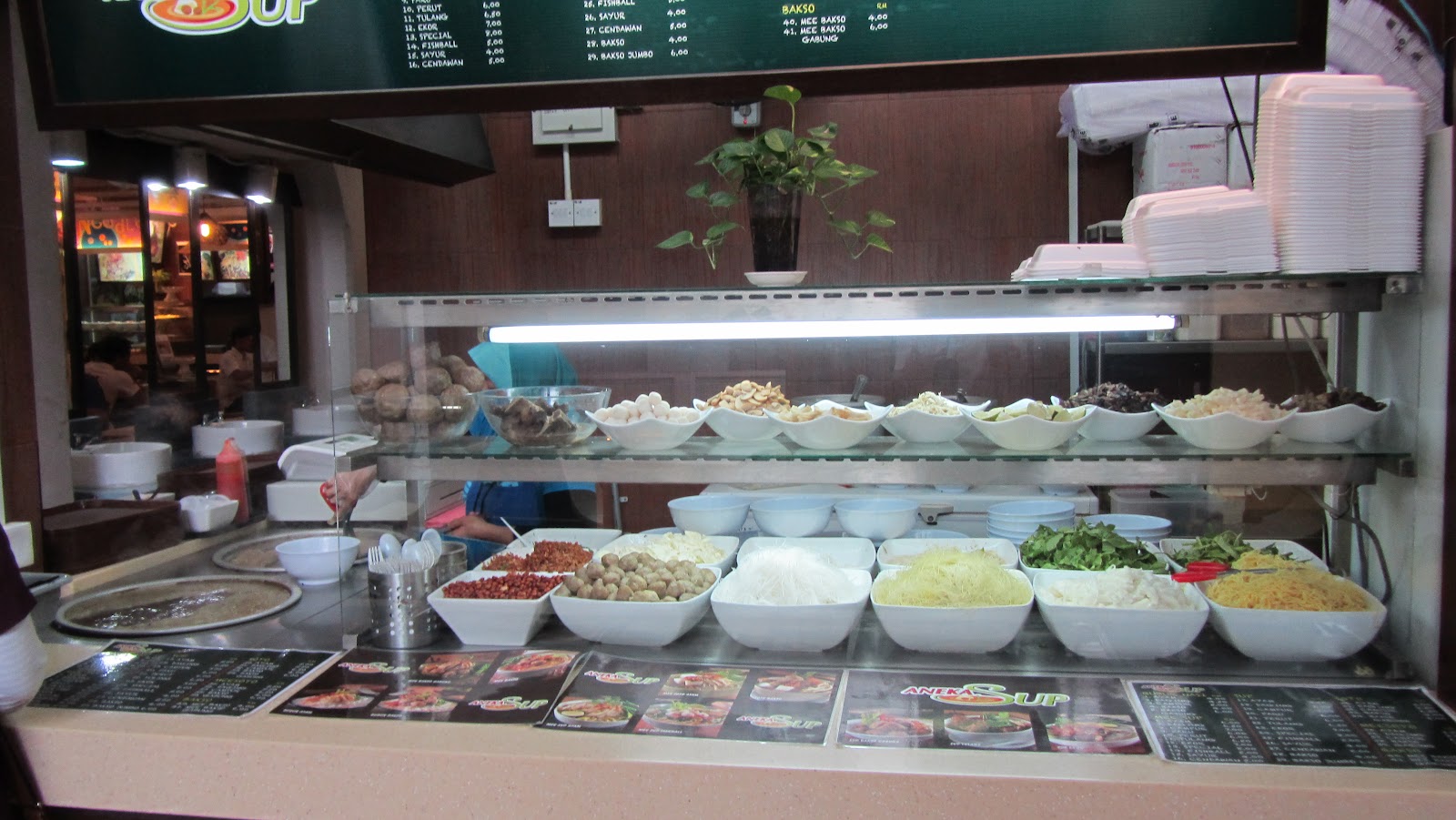
The different cultures also lead to so many different kinds of snacks and dishes.....yummy!


Not so yummy but cheap - all for less then 2 USD!

There is a wide range of fruit, fresh or otherwise

Recognise these?

Wandering in the local markets, we also saw beautiful flowers and bouquets.


And, it seems any decent market will have fake watches to sell, reminds me of home!

Thứ Hai, 12 tháng 3, 2012

Encountering the Chinese - A Must Read!

Before going to China your reading materials should include this book brought up to date in 2010. "Encountering the Chinese" is the best book I have found in helping to understand the differences in our cultures and how to deal with those differences in social, business, political and educational atmospheres. As a tour operator I try to keep copies on hand for clients who desire more information on this ever changing culture. For anyone going to China to teach, this is a Must Read Book. For anyone who will be working with Chinese people directly or part of a delegation, again this is a must read. For those who are just interested in the social aspects of Chinese culture it is an eye opener of what you can expect. Large coastal cities in the past 15 years have been exposed to western people much more than inland cities and countryside people. If you can not find a copy, I try to keep 50 copies on hand and will send them out at $25 post paid as long as I have stock. Tours to China is my business but the Chinese culture continues to intrigue me for the past 25 years that I have been traveling throughout China with over 50 trips.
Interlake China Tours, Inc. P.O. Box 33652 Seattle, WA. 98133

Chủ Nhật, 26 tháng 2, 2012

Where to Visit the Great Wall

There are several places in which to visit the Great Wall near Beijing. Badaling section is where the large group tours go to because there is a freeway out to it and is the closest section to Beijing. It is also the most crowded with usually 60 to 70 buses in the parking lot. Simatai section is where the avid hikers go to hike from Jinshanling to Simatai sections but is a bit difficult and not for strolling on the wall. Going from Huanghua to Zhuangdaokou Guar is a 3 hour loop is quite wild with lots of unrepaired sections. My choice for a nice hike or walk on the Wall is the Mutianyu section shown here. Usually no buses and has a cable car to take you up onto the Wall. The view here is to the left once you are on the Wall and if you go about 100 yards out, you will probably be alone since few people hike out that far. It is fairly level until you get to a section that is quite steep

where the Wall has been left as it was found. Tours to China is my business and the Great Wall is one of those MUST SEE sights to be included in all tours.

Thứ Năm, 23 tháng 2, 2012

Temples and Churches in China

Like churches in Europe there are many temples of all kinds in China. One of the best ones I like is the Lama Temple in Beijing. It is close to the central part of the city and extremely interesting with a 5 story tall Buddha carved from one Tree Trunk and the temple built over it. It is an active temple with many monks and prayer time is interesting usually in the late afternoon. It was so important that Chou EnLi had it protected during the Cultural Revolution so it is kept in tact. Yes, there are churches in China as well and worth a visit too. On Wangfujing street there is a church with services in the early morning and many other churches and Cathedrals throughout the country with interesting history behind each one. The Jewish section of Shanghai and Ohel Moishe Synagogue are often visited and tours can be conducdted in English or Hebrew. For more information contact us at


interlak@eskimo.com Tours to China for over 20 years.

Bài đăng phổ biến